Protecting your business and meeting industry rules isn’t just for large companies. It is also very important for all growing businesses. Whether it’s handling customer data, following security steps, or passing audits, there is a lot to stay on top of. Missing even one requirement can lead to heavy fines, legal trouble, or loss of customer trust. That is where managed IT services make a significant difference. They take care of the behind-the-scenes work so your team can focus on growth, not paperwork or tech worries.
With the right managed IT support, your business can operate confidently, knowing compliance and risk mitigation jobs are in good hands. These experts reduce risks, support you during audits, and keep your business compliant, so you do not have to navigate it alone. If your business is struggling with compliance or risks that you cannot handle alone, reach out to our Managed IT Services team serving the Sacramento area. We are here to simplify the process and ensure your business stays secure and compliant!
In this blog, we will explore the importance of compliance and risk mitigation and how managed IT services help businesses like yours ensure compliance with regulatory requirements while keeping risks low and operations smooth.
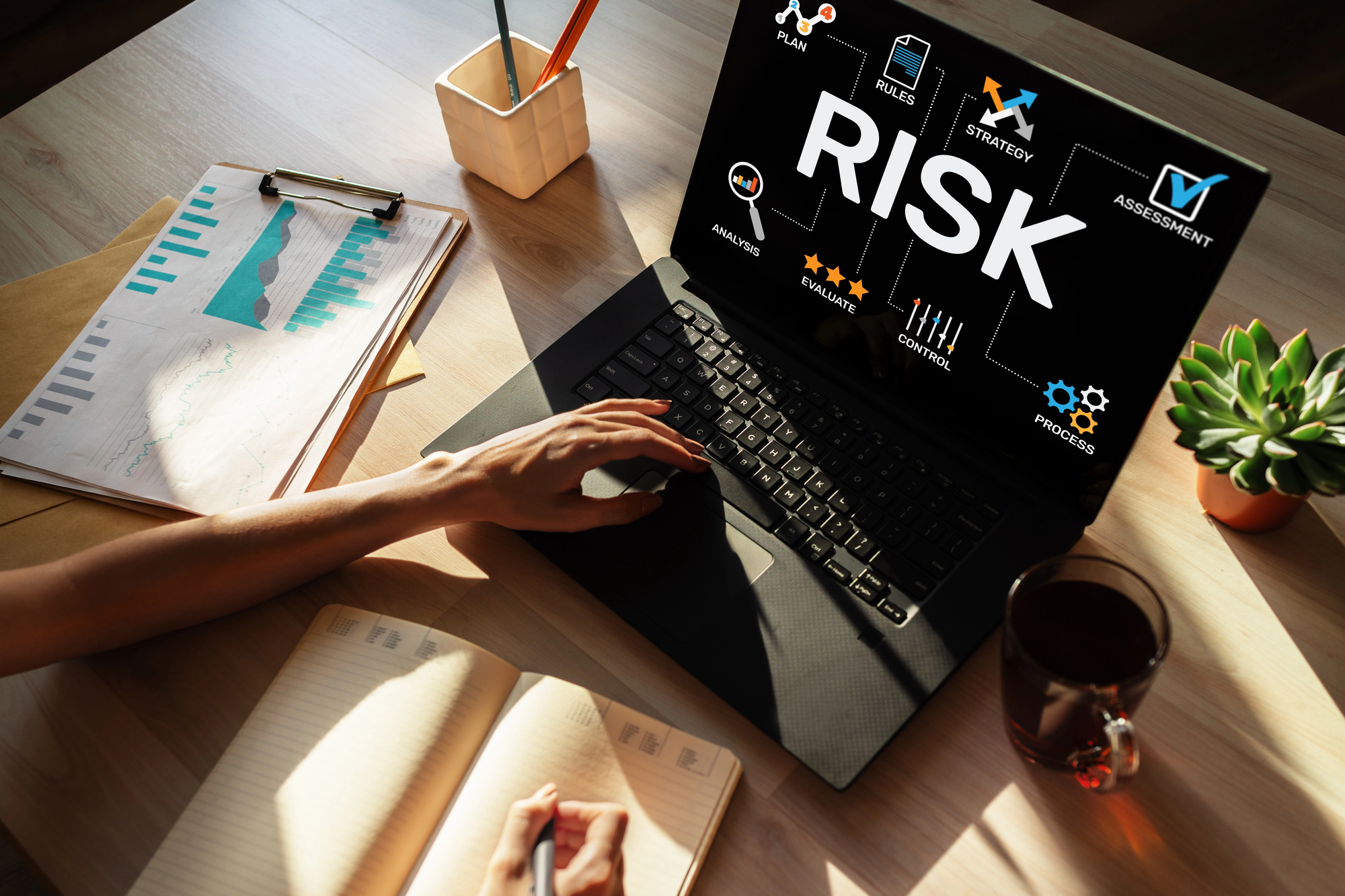
Importance of Regulatory Compliance and Risk Management
I am text block. Click edit button to change this text. Lorem ipsum dolor sit amet, consectetur adipiscing elit. Ut elit tellus, luctus nec ullamcorper mattis, pulvinar dapibus leo.
Adhering to rules and risk reduction are not an extra task. They are key to a safe, reliable, and well-run business. Whether handling customer data, financial records, or healthcare details, every business needs to maintain compliance with regulatory requirements to avoid fines or severe damage to its reputation.
Also, handling risks means getting ready for problems. These problems could be data getting out, system failures, or online attacks.
Here is why managing regulatory compliance and risk is so substantial:
- Avoid Legal Trouble and Penalties: Breaking rules by mistake can also lead to heavy fines or legal issues.
- Build Trust with Customers and Partners: When people know you follow the rules, they feel safer doing business with you.
- Protect Business Data and Systems: Good risk management protects your IT setup from cyber threats and system crashes.
- Stay Ready for Audits and Inspections: Being prepared saves time and stress when authorities check your systems.
- Support Long-term Business Growth: A solid compliance and risk management policy gives your business the base it needs to grow without fear.
By understanding the importance of regulatory compliance and risk management, business owners can make smarter decisions that protect their reputation and bottom line. This is where compliance-managed services or managed IT compliance services come in, offering the expert help you need to stay on track.
Role of Managed IT Services in Compliance and Risk Management
Managed IT services are crucial in helping businesses navigate the complexities of compliance and risk management. With increasing regulatory demands and the ever-present risk of cyber threats, these services provide essential support. Here is how they contribute to compliance and risk mitigation:
1. Keep Your Systems Updated and Secure
Regular system updates are essential for maintaining compliance and security. Managed IT services ensure that all software, applications, and systems are updated with the latest security patches, minimizing vulnerabilities. These updates prevent cyberattacks and help businesses meet regulatory requirements.
- Regular software and system updates
- Reduces cyber risks and vulnerabilities
- Aligns with compliance regulations
Without timely updates, businesses risk security breaches and non-compliance during audits. Managed IT services ensure that systems remain secure and aligned with industry regulations, offering peace of mind and reducing potential fines or penalties.
2. Set Up a Compliance Management Framework
A structured compliance management policy is essential for meeting regulatory standards. Managed IT services create a tailored framework that outlines policies, procedures, and security measures businesses must follow to comply with industry regulations.
- Identifies applicable regulations
- Streamlines audit and reporting processes
- Establishes clear compliance policies
Businesses can systematically track their compliance status and adjust to regulatory changes by setting up a compliance framework. The framework also ensures that processes are consistent and aligned with current industry standards, making audits and reporting much easier.
3. Help During Compliance Audits and Reporting
Compliance audits are vital for verifying a company’s adherence to industry regulations. However, audits can be overwhelming if your business is not properly prepared. Managed IT services help make this process easy by preparing necessary documents, organizing reports, and ensuring your business is always audit-ready.
- Prepares audit documentation
- Organizes compliance reports securely
- Provides ongoing audit support
Managed IT services streamline the audit process, ensuring that documentation and reports are well-organized and easily accessible. This proactive approach helps businesses avoid penalties from missed audits and ensures that they consistently meet regulatory standards.
4. Reduce Human Errors
Human error is a significant factor in non-compliance and security breaches. Employees may accidentally forget critical security measures or fail to follow compliance procedures. Managed IT services minimize these errors through automation and consistent monitoring, ensuring that vital processes are followed without mistakes.
- Implements automation to reduce errors
- Ensures consistent policy enforcement
- Improves data accuracy
With managed IT services, businesses can automate tasks like software updates, backups, and reporting, reducing the risk of human errors. This consistency helps maintain compliance and improves data accuracy, allowing businesses to avoid penalties related to non-compliance.
5. Third-Party Risk Management
Third-party vendors can pose compliance risks, especially if their security practices do not meet industry standards. Managed IT services assess and manage these risks by evaluating third-party vendors’ security and compliance practices. They ensure that all external partners follow your business’s standards, helping protect against potential risks.
- Assesses vendor compliance and security
- Creates third-party risk management policies
Ensures contracts align with compliance
By managing third-party risks, managed IT services help your business avoid issues with vendors that could lead to non-compliance or security breaches.
6. Monitor Systems 24/7
Constant monitoring is essential for identifying risks early. Managed IT services provide 24/7 monitoring to detect security threats, unusual activities, or system failures, allowing quick intervention before problems escalate.
- Provides continuous monitoring of systems
- Detects security threats in real-time
- Prevents potential compliance violations
With round-the-clock monitoring, businesses can quickly identify and address security threats, minimizing the risk of breaches or compliance violations. Immediate responses are crucial for staying compliant and secure, especially when dealing with sensitive data.
7. Manage Data Backup and Disaster Recovery
Data loss can have serious compliance implications. Managed IT services ensure your data is securely backed up regularly and can be quickly recovered if needed. This guarantees business continuity while ensuring compliance with data retention laws and regulations.
- Regular and secure data backups
- Develops disaster recovery plans
- Ensures compliance with data retention laws
A solid backup and recovery plan ensures your business stays operational and compliant, even during unexpected disruptions. Managed IT services protect your business from the potentially catastrophic effects of data loss and ensure that sensitive data remains secure and accessible.
8. Employee Training and Awareness
Employee training is crucial for maintaining compliance and security. Managed IT services provide training on data protection, secure login practices, and compliance protocols. This education helps employees understand their roles in safeguarding sensitive information and adhering to regulatory standards.
- Educates employees on security best practices
- Raises awareness about data privacy
- Helps reduce security breaches caused by errors
Regular training ensures that employees understand the importance of compliance and how to follow the necessary security procedures. It reduces the likelihood of human error, which is often a key factor in data breaches and non-compliance issues. Ready to enhance your employees’ security and compliance awareness? Contact Sacramento’s trusted Cybersecurity experts today and let us help you train your team to protect your business!
In Conclusion
A managed IT services provider aids businesses in protecting data, following industry-specific compliance rules, and preventing problems proactively. With the proper support, you do not have to worry about missing compliance steps or dealing with risks alone. These experts handle the technical work, keep your systems secure, and guide your team through every requirement, so you can focus on growing your business. Whether it is regular monitoring, data protection, or audit preparation, managed IT services help you stay ready, protected, and fully compliant.