
According to a new report by Check Point, Microsoft was the most impersonated brand in phishing schemes in 2024, making up a third of all attempts. Apple and Google followed, each accounting for 12% of the attempts.
Attackers frequently exploit Microsoft’s brand recognition and trust, often with the primary objective of targeting Microsoft credentials. However, Check Point advises vigilance against the impersonation of other brands as well.
“The holiday season witnessed a significant increase in phishing campaigns that impersonated well-known clothing brands. Fraudulent domains, such as nike-blazers. fr and adidasyeezy.ro, mimicked official websites to deceive shoppers with fake discounts, ultimately stealing login credentials and personal information,” the researchers noted in their report.
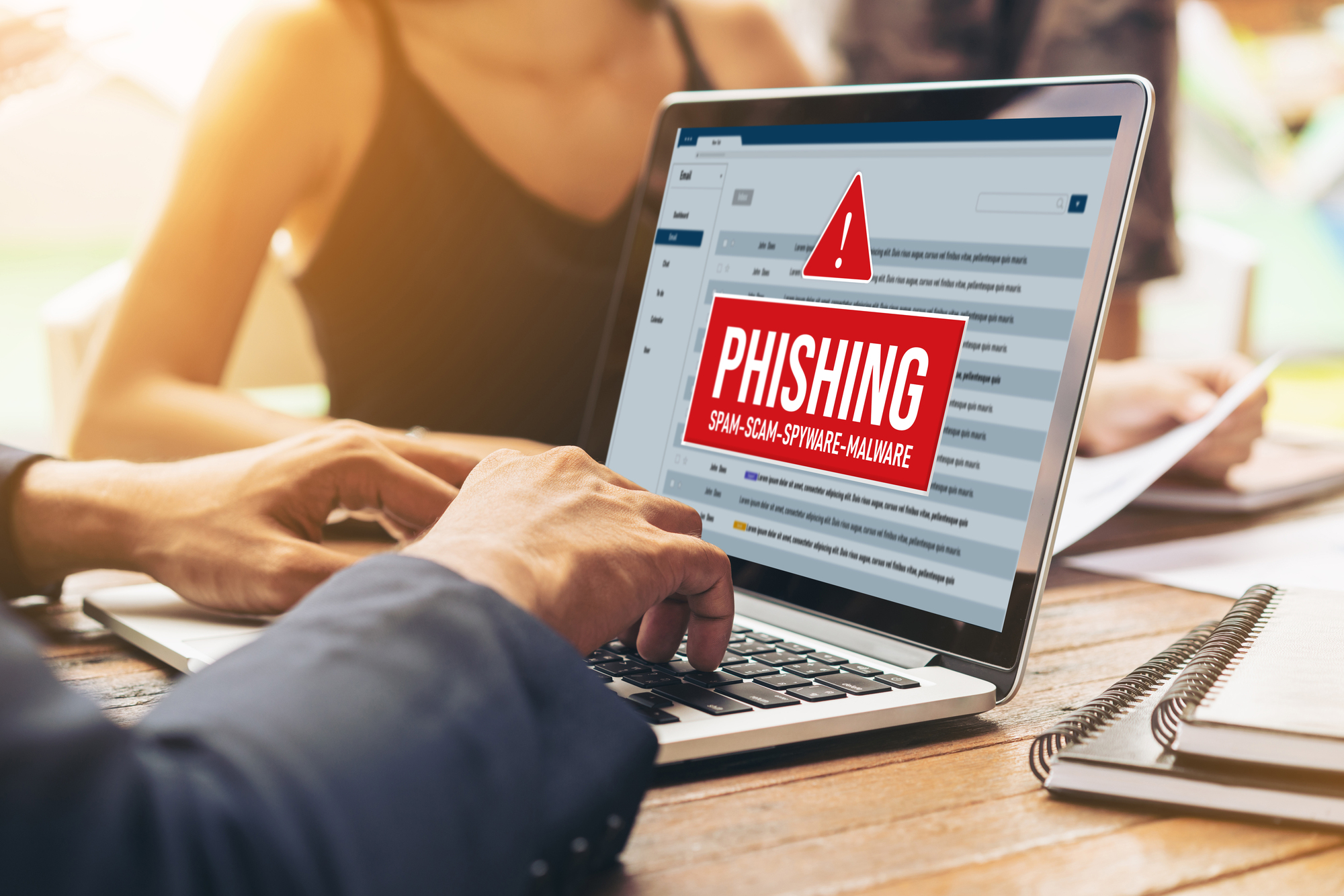
Fraudulent websites frequently mimic the brand logo, offer enticingly low prices for a limited period, and employ various tactics to trick victims into providing sensitive information, such as login credentials and personal details.
Other phishing examples from last year include the fraudulent website wallet-paypal.com, which replicated PayPal’s login page to steal credentials, and Facebook scams, such as the fake website svfacebook.click, which imitated Facebook’s login page to prompt users for their credentials.
The persistence of phishing attacks exploiting major brands highlights the essential need for user education and enhanced security measures.
At Apex, we recommend verifying email sources, avoiding unfamiliar links, and enabling multi-factor authentication (MFA) to safeguard against scammers. Users should employ robust endpoint security, be vigilant for red flags in unsolicited communications, and refrain from interacting with suspicious links or websites.